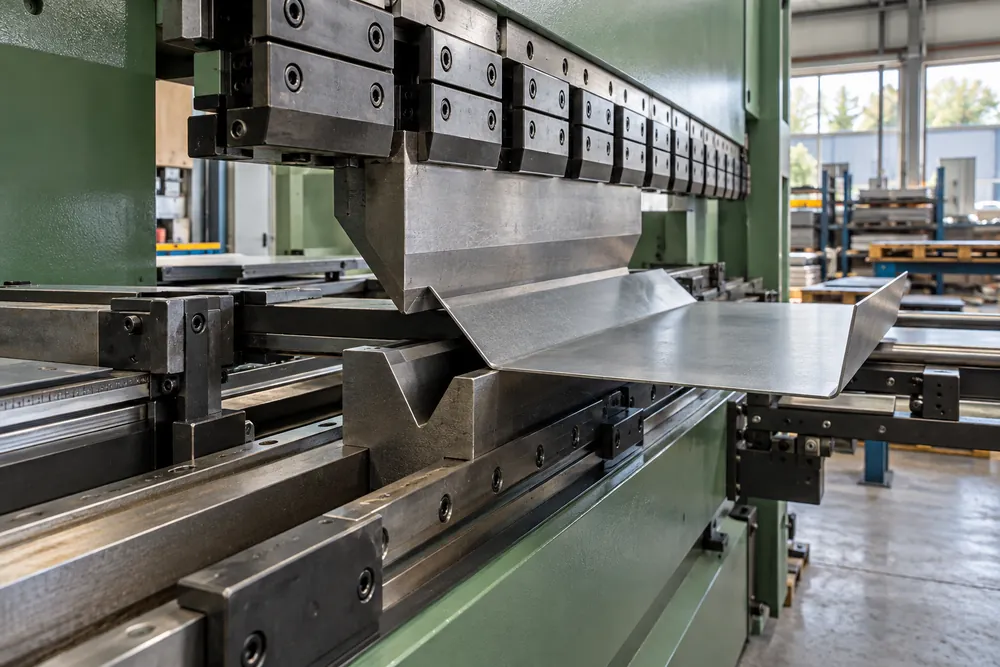
Sheet Metal For Commercial Applications
Sheet metal fabrication turns flat material into folded components, panels and joined assemblies. Typical commercial requirements include equipment covers, access panels, drip trays, protective housings and folded brackets. The right approach depends on the part’s function, thickness, finish and the way it connects to the surrounding equipment.
Our sheet metal enquiry route is for business buyers with a drawing, a sample or a defined problem. Tell us whether the finished item needs to be removable, weather resistant, washable or visually consistent with other equipment. Those details influence seams, fasteners, return folds and the choice of material before production planning begins.
Drawings, Bend Allowances And Tolerances
A folded part needs more information than a length, width and height. The drawing should identify thickness, inside bend radii, critical faces, hole positions and whether dimensions apply to the inside or outside of the finished component. Cut-outs close to a bend can distort during forming or interfere with tooling.
For repeat assemblies, think about how the tolerance on each part affects the whole. Tight tolerances should be assigned to functional features rather than every dimension by default. A clear drawing revision and an agreed first-off check help avoid producing a full batch around an outdated hole pattern or an unclear datum.
Cutting, Forming And Joining
The production route may combine laser cutting, punching, shearing, folding and welding depending on the geometry and quantity. Tool access and bend sequence need to be considered together, especially for enclosed boxes, narrow returns and parts with several folds. Some shapes are easier to make as separate pieces joined after forming.
Welding thin material requires attention to heat input and distortion. Mechanical fasteners may be better where access for servicing is needed or where dissimilar materials are joined. Describe whether a seam must contain liquid or simply close a cover, because the acceptance checks and finishing work will differ.
Safety Requirements For Covers And Guards
A sheet metal cover intended as machinery guarding needs a safety assessment for its actual use. PUWER places duties on employers concerning suitable work equipment and protection from dangerous parts. Guard fixings, reach distances, access arrangements and any interlocking requirements must be addressed by the competent person responsible for the machinery.
Sheet edges, corners and openings also deserve attention because staff may handle the item repeatedly. Agree deburring, edge treatment and lifting or removal arrangements in the specification. Do not assume that an attractive enclosure provides a particular ingress protection, fire resistance or electrical safety rating unless that performance has been properly specified and verified.
Finish, Exposure And Inspection
Material selection should reflect the environment and cleaning regime. Stainless steel can be appropriate for some wet or hygienic settings, but grade and surface finish still need to suit the application. Painted mild steel may work well for dry equipment covers where damage can be inspected and repaired as part of planned maintenance.
Before finishing, check that holes, fittings and mating faces suit the intended assembly. Coating thickness can affect fits, and masking may be needed at certain contact points. If the part must match an existing surface, agree the required appearance and a reference sample rather than leaving the judgement until delivery.
Pricing And Ordering A Sheet Metal Batch
A sheet metal quotation depends on material grade and thickness, sheet use, cutting time, bend count, welding and finishing. A small repeat batch may justify a fixture or a first-off sample. Changes after cutting can create scrap, so issue the approved drawing revision and quantity clearly when placing an order.
Include insert types, fasteners, packaging and delivery requirements in your enquiry. If the item needs installation, explain access and whether equipment can be isolated for measurement and fitting. For heavier welded assemblies, our metal fabrication page explains frames and supports, while bespoke steelwork covers development of parts around an unusual industrial requirement.
Sheet Metal FAQs
What Files Are Useful For A Sheet Metal Quote?
A sheet metal quote benefits from a dimensioned PDF drawing and, where available, a suitable CAD file. Include material, thickness, quantity, finish and the current revision. Flat profiles alone may leave bend information unclear, so add a formed view that identifies critical dimensions, hole positions and any inserts or welded features.
Can Sheet Metal Panels Be Made In Small Batches?
Sheet metal panels can be scoped as single items or small batches, subject to the design and manufacturing route. Set-up, drawing preparation and finishing still need to be included even for a small quantity. Give both your immediate order quantity and any likely repeat requirement so the production approach can be discussed.
Do Sheet Metal Enclosures Have A Standard Protection Rating?
A sheet metal enclosure does not automatically have an ingress protection or fire performance rating. Those properties depend on the complete assembly, including seams, seals, openings and fittings. State any required performance at enquiry stage and agree the design, testing and supporting evidence needed before treating the enclosure as suitable.
Technical References
Project requirements should be confirmed by the responsible designer and the appointed fabrication firm.